Being locked out with a broken key is a frustrating experience that can happen to anyone. This guide provides practical solutions and expert guidance to help you navigate this common problem safely and efficiently.
How Do I Know My Key Is Really Broken?
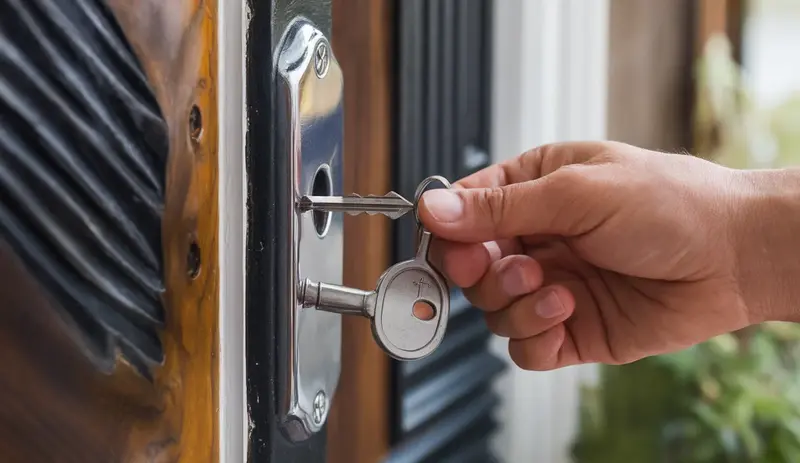
First, look at the key. If you see a clean snap, a tiny crack along the blade, or the tip split while the rest still turns, that’s a real break.
You might also hear the lock grind or feel the lever stop suddenly. The tip may look jagged or shorter. When these signs appear and you keep trying, the broken piece can grind the lock’s pins and open a security gap.
Locksmiths in Greenwood Village, CO say most broken key calls happen because owners didn’t spot the sign early enough. Spotting it quick can save money and keep the lock working.
First Aid Steps for a Broken Key in the Lock
Stay calm. See how far the broken part sticks out. If only a small piece is visible, you can try to pull it out yourself.
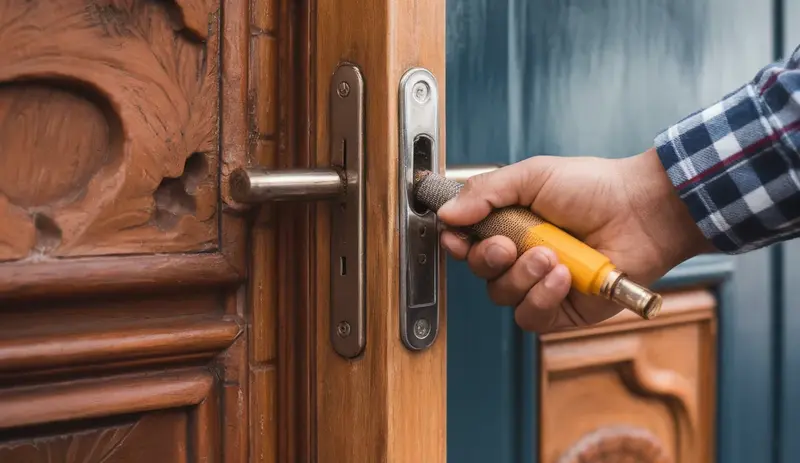
If the piece is deep, you should think twice. You’ll need needle nose pliers, a little lock specific oil or even a graphite pencil, and a steady hand.
Put a few drops of oil in the keyhole – that reduces friction. Grip the exposed edge with the pliers. Pull slowly, straight back, not sideways.
If the key feels stuck or you hear a loud scrape, stop. Pulling too hard might break more pins inside. A common saying fits here: When in doubt, call a professional.
When Should I Call a Professional Locksmith?
Call a locksmith if:
- The broken piece is too deep to reach.
- Your pull attempts make grinding noises or don’t move the piece.
- The lock looks bent, the pins seem warped, or the keyhole looks misshapen.
Pros have special tools like extraction sets and tiny cameras that see inside the lock. They can usually be on site in 30–60 minutes and charge between $75–$250.
That cost is tiny compared with buying a whole new lock set, which can run over $500. Think of it like a quick doctor visit for your door’s health – check out our local locksmith services in Greenwood Village that catch problems before a total failure.
You May Like To Read: Will an Emergency Locksmith Damage My Lock?
Preventing Future Key Breaking Incidents
Take care of your keys before they break. Look every few months for signs of wear – bends, thin spots, or tiny scratches on the blade.
Keys that get a lot of use – such as a landlord’s master key or a front door key for a busy apartment building – should be replaced every 2-3 years even if they look okay.
Choose strong metal alloys like brass or nickel silver they hold up better than cheap zinc. Keep key chains light; a heavy chain with dozens of rings puts extra pressure on the stem each time you turn it.
A good tip: get a spare cut at a licensed locksmith, not from a cheap copy machine at a hardware store, because a sloppy cut can make the key more likely to snap.
Conclusion
In short, a broken key can be dealt with efficiently if you spot it early, try a careful DIY pull with oil and pliers, know when to pause and call a pro, and keep your keys inspected and replaced on schedule.
Doing these things keeps the lock strong, the household safe, and the stress level low. By treating your keys like a small, everyday piece of equipment, you protect the door that keeps your space private. Learn more about key maintenance at Doctor Lock.
By following these steps and knowing when to seek professional help, you can successfully manage a broken key situation and prevent future incidents. Remember, professional locksmiths are always ready to assist you in emergency scenarios.